
Research Dissemination
Sharing Your Research
In Canadian nursing, research plays a central role in improving patient care, strengthening clinical decision-making, informing policy, and advancing health equity. Because of this, research is not simply a private academic exercise. The findings generated through nursing inquiry have implications for clients, communities, health-care institutions, and the broader health system. Understanding how to share your work is therefore a critical skill in the research process.
Activity
Watch the video Interview with Dr. Tanya Sanders on Research Dissemination [1:56] by Nursing Research (2025), on YouTube.
 Note: If you are using a printed copy of this resource, watch the video by scanning the QR code with your mobile device.
Deciding What to Share and With Whom
Sharing your research involves deciding what information should be communicated, who needs to hear it, and why it matters. Nurses have an ethical responsibility to report findings transparently, including results that are unexpected, incomplete, or that reveal challenges encountered during the study. Sharing not only the “positive” outcomes but also the limitations and barriers supports integrity, allows others to learn from your work, and contributes to evidence-informed practice.
Reflecting on your research by asking yourself several key questions can help determine what should be shared. Why you conducted the research clarifies your own motivation and helps you acknowledge any assumptions or biases. How the research was conducted requires honesty about your methodology, sampling strategy, and analytic approach. Identifying for whom the research was conducted helps you consider stakeholders such as clients, families, health-care providers, community leaders, professional organizations, and funding agencies. Understanding what conclusions can reasonably be drawn and how the research could be improved highlights both strengths and limitations. Finally, considering what questions were left unanswered identifies areas for future exploration and invites continued inquiry.
Once you are clear about what to share, you must determine your intended audience. In nursing, common audiences include academic peers, nurse educators, frontline nurses, interdisciplinary colleagues, health administrators, policymakers, community organizations, and the general public. Knowing your audience does not mean altering your findings, but it does shape how you frame and communicate them. For example, policy decision-makers may want clear implications for practice and system outcomes, whereas community groups may be more interested in accessibility, cultural relevance, or lived experience.
Presenting Your Research
Presenting your research is a valuable opportunity to receive feedback, refine your ideas, and engage with colleagues. Canadian nurses share research in several formats, each serving different purposes.
Formal conference presentations involve structured oral presentations to an audience of peers, often within a panel. These presentations usually last between fifteen and twenty minutes. It is essential to confirm time limits in advance, practice repeatedly, and focus your talk on the most important elements of your study. Audiences are typically most interested in your research question, methods, key findings, and the implications for nursing practice or health systems. Avoid reading your paper word-for-word and aim to engage listeners through clear explanations and meaningful examples.
Roundtable discussions are less formal and emphasize sharing ideas and generating conversation. They are particularly useful when research is still developing or when you want feedback on early findings or conceptual frameworks. Roundtables also support networking and collaboration with colleagues who share similar research interests.
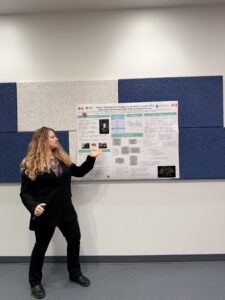
Poster presentations visually communicate key elements of your study through text, images, tables, and figures. A poster should highlight the essential points rather than reproduce an entire paper. Posters allow attendees to ask questions and engage in one-on-one dialogue with the researcher, making them especially valuable during the exploratory or pilot stage of a project.
Writing Up Your Research Results
Written reports intended for scholarly consumption typically follow a formal structure that includes an abstract, introduction, literature review, methodology, findings, and discussion of implications. These reports also include references and may contain tables or figures to illustrate results. Reading published nursing research is an excellent way to understand how these pieces fit together and how to write them effectively.
Reports prepared for public, clinical, or administrative audiences differ from scholarly publications. They must be accessible, clear, and relevant to the reader’s context. This may involve using plainer language, reducing technical detail, or highlighting actionable recommendations. Regardless of audience, the responsibility remains the same: present evidence accurately, respectfully acknowledge prior scholarship, and ensure your interpretations are grounded in data.
Plagiarism is a serious academic and professional offence. Presenting someone else’s words, ideas, or intellectual contributions as your own violates ethical standards, academic integrity policies, and professional expectations set by nursing regulatory bodies in Canada. Avoiding plagiarism requires careful referencing, proper citation, and transparent acknowledgement of all sources.
Disseminating Your Findings
Dissemination refers to the purposeful process of sharing research findings with the individuals, groups, and communities who will benefit from or use the information. It requires strategic planning, an understanding of your audience, and a communication approach that increases the likelihood that your findings will be taken up in practice, education, or policy.
Successfully disseminating research requires determining who your audience is, where they are located, and how best to reach them. In nursing, audiences may include client communities, health-care organizations, professional bodies, educational institutions, policymakers, or interdisciplinary teams. Once you identify your audience, consider the settings where they engage with information, such as clinical units, community health centres, professional conferences, journals, newsletters, webinars, or social media platforms.
Reaching your audience requires adapting to the norms and expectations of each platform. For example, scholarly journals provide detailed submission guidelines, public health organizations may prefer executive summaries, and policymakers may benefit from concise policy briefs. The key is to ensure your message is accessible, meaningful, and aligned with the needs of the group you hope to inform.
Dissemination in nursing ultimately involves determining who your audience is, identifying where they can be accessed, and deciding how to reach them in a way that supports knowledge translation and promotes evidence-informed practice. Sharing research findings is part of our professional responsibility as nurses, contributing to safer care, improved outcomes, and a stronger, more equitable health system.
Activity
Watch the video, Knowledge Dissemination with Dr. Fehr [4:26] on YouTube, by Dr. Florriann Fehr, Ime Stavinga, & Katie Gregson (2026).
 Note: If you are using a printed copy of this resource, watch the video by scanning the QR code with your mobile device.

Dr. Fehr Tips for Proposal Writing!
- Start with the “why”: Explain why your research question matters for Canadian nursing practice or patient care.
- Keep it realistic: Make sure you can complete the study with the time, resources, and skills you have as a first-year student.
- Check for alignment: Your title, abstract, aims, methods, and expected outcomes should all match.
- Know your audience: Write clearly so faculty, ethics boards, or potential funders can understand your study.
- Think about ethics: Include consent, confidentiality, and safe practices for participants.
- Choose the right approach: Pick the research method (quantitative, qualitative, or mixed) that best answers your question. Mixed methods are not always necessary at this level.
- Use examples and tables: Seeing how other proposals are organized can help you plan and present your own ideas clearly.
- Ask for feedback early: Speak with your instructors or experienced nurses to make sure your proposal is feasible and clear.
Remixed from:
- An Introduction to Research Methods in Sociology by Valerie A. Sheppard (2019), published by BCcampus under a CC BY-NC-SA 4.0 license.
Media Attributions
- Figure 10.2 Disseminating research findings helps improve nursing practice and patient care is by Research Assistant Ime Stavinga and is subject to the CC BY-NC-SA 4.0 license.
- Dr. Fehr [avatar] by Research Assistant Katie Gregson on Canva using Canva AI image creation https://www.canva.com/ai-assistant/ is subject to the Canva Pro Content License.
References
Nursing Research. (2025). Knowledge Dissemination with Dr. Fehr [Video]. YouTube. https://www.youtube.com/watch?v=BkVwb50l2ec
Nursing Research. (2026). Interview with Dr. Tanya Sanders on research dissemination [Video]. YouTube. https://www.youtube.com/watch?v=Hc589KtOYlk
Sheppard, V. A. (2019). Chapter 15: “Sharing Your Research”. An introduction to research methods in sociology. Justice Institute of British Columbia/ BCcampus. https://pressbooks.bccampus.ca/researchmethods/part/the-research-proposal/
The planned distribution and communication of research results to relevant audiences.